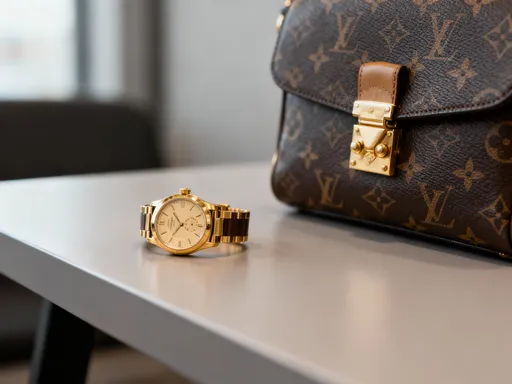
How I Turned Luxury Buys Into Smart Returns — Without the Risk
What if your luxury purchases could actually work for you instead of just draining your wallet? I used to see high-end watches, designer bags, and premium art as pure expenses—until I discovered how to shift the mindset. By treating select luxury assets like strategic investments, I’ve unlocked hidden value, minimized losses, and even generated returns. This isn’t about get-rich-quick schemes; it’s practical, risk-aware finance in action. Let me walk you through how I did it—and how you can too.
The Mindset Shift: From Spending to Strategic Ownership
For years, the idea of buying luxury items felt synonymous with spending money you couldn’t get back. A designer handbag, a Swiss timepiece, or a piece of contemporary art was seen as a one-way transaction: you paid, you enjoyed, and that was it. No return on investment, no long-term gain—just the fleeting satisfaction of ownership. But a subtle shift in perspective changed everything. Instead of viewing these purchases as pure consumption, I began to see them as opportunities for strategic ownership. This doesn’t mean every luxury buy should be treated like a stock pick, but certain categories, when selected with care, can retain or even increase in value over time.
The key lies in intentionality. Emotional spending—buying because something is trendy, flashy, or offers instant gratification—almost always leads to depreciation and regret. In contrast, strategic ownership means asking questions before purchasing: Does this item have a track record of holding value? Is the brand known for craftsmanship and consistency? Is it part of a limited run or a classic design that transcends seasons? These questions shift the focus from impulse to insight. For example, a classic Rolex model like the Submariner or a Hermès Birkin bag in neutral tones and excellent condition has historically shown resilience in resale markets. These aren’t random picks; they’re assets with documented demand.
Personal taste still matters, but it must be balanced with market reality. You don’t have to sacrifice enjoyment for practicality. In fact, the most successful luxury asset holders are those who love what they own *and* understand its financial potential. The emotional connection keeps them from selling in panic during minor market dips, while the financial awareness prevents overpaying or holding onto underperforming items too long. This dual lens—emotional resonance and economic logic—forms the foundation of smart luxury ownership.
Timing also plays a crucial role. Buying a high-demand item just as it gains mainstream popularity often means paying a premium. Waiting too long can mean missing out entirely. The sweet spot is identifying pieces with strong fundamentals before they become overhyped. This requires research, patience, and a willingness to stay informed about brand releases, collector trends, and auction results. It’s not about chasing every new launch, but about curating a collection that aligns with both personal taste and long-term value preservation.
Choosing the Right Assets: What Actually Holds or Grows in Value
Not every luxury item is built to last—or to appreciate. The first step in turning spending into strategy is knowing which categories have the strongest potential for value retention. Among the most reliable are high-end watches, particularly those from established Swiss manufacturers like Rolex, Patek Philippe, and Audemars Piguet. These brands have decades of heritage, rigorous craftsmanship, and tightly controlled production, all of which contribute to scarcity and demand. A well-maintained Rolex Daytona, for instance, has consistently commanded prices above retail in the secondary market, especially for vintage or limited editions.
Handbags from select fashion houses also stand out. Hermès, in particular, has cultivated a resale market that often exceeds original retail prices. The Birkin and Kelly bags, especially in smaller sizes, neutral colors, and rare leathers, are known for their long waiting lists and strong after-market performance. Chanel’s classic flap bags have also shown resilience, particularly in quilted lambskin with gold-tone hardware. The key is not just the brand, but the specific model, material, and condition. A scratched, overused bag, even from a top brand, will struggle to retain value.
Fine art is another category with real investment potential, though it requires more expertise. Works by emerging but critically recognized artists—those exhibited in reputable galleries or collected by institutions—can appreciate significantly over time. Unlike mass-produced decor, original pieces with provenance and authenticity documentation are far more likely to attract serious buyers. Prints, reproductions, or unsigned works rarely hold value unless tied to a major artist’s early career.
Other collectibles—such as rare books, vintage jewelry, or limited-edition sneakers—can also perform well, but they come with higher volatility. Their value often depends on niche communities and shifting cultural trends. For example, a first-edition copy of a classic novel in pristine condition might be worth thousands, while a modern reissue holds little more than its cover price. The common thread across all high-potential categories is scarcity, quality, and sustained demand. These are not speculative bets; they are assets backed by tangible attributes that collectors and buyers consistently value.
The Buy-In Strategy: Timing, Condition, and Provenance Matter
Even the most desirable luxury item can become a poor investment if purchased at the wrong time or in poor condition. The initial acquisition is where many people make critical mistakes—overpaying, skipping authentication, or neglecting documentation. A strategic buy-in requires more than just funds; it requires diligence. One of the most effective approaches is to consider pre-owned items from reputable sources. While new retail purchases carry prestige, they often come with immediate depreciation—sometimes as high as 20–30% the moment you walk out the door. In contrast, a gently used Rolex or Hermès bag from a certified dealer may offer better value, especially if it includes original papers, box, and service history.
Condition is non-negotiable. A watch with a scratched crystal, a handbag with faded hardware, or a painting with restoration marks will face steep discounts at resale. Buyers in the luxury market are highly detail-oriented. They scrutinize every stitch, every serial number, every sign of wear. That’s why maintenance records are so valuable. A timepiece that has been regularly serviced by an authorized center, for example, carries more trust and often commands a higher price. Original packaging—dust bags, boxes, authenticity cards—also adds credibility and can improve resale appeal.
Provenance, or the documented history of ownership, is equally important. An item with a clear chain of custody, especially if it was previously owned by a notable collector or featured in an exhibition, gains authenticity and desirability. In the art world, provenance can double or even triple an artwork’s value. Even in fashion and horology, a well-documented history reassures buyers that the item is genuine and has been cared for. When sourcing pieces, it’s wise to prioritize dealers who provide certificates of authenticity, detailed descriptions, and transparent return policies.
Where you buy matters as much as what you buy. Auction houses like Sotheby’s or Christie’s offer high levels of verification but often come with buyer’s premiums and competitive bidding. Specialized online platforms such as Rebag, WatchBox, or 1stdibs provide curated selections with authentication services, making them more accessible to individual buyers. Private sellers can offer better prices, but they require extra caution—always request third-party verification before finalizing a purchase. The goal is not to find the cheapest deal, but the most reliable one.
Cost Control: How to Minimize Ownership Expenses
Many people overlook the ongoing costs of owning luxury assets. Unlike stocks or bonds, physical items require care, protection, and oversight. Storage is the first consideration. Leaving a valuable watch or handbag in a regular closet exposes it to humidity, dust, and temperature fluctuations—conditions that degrade materials over time. A climate-controlled safe or a professional storage facility may seem like an added expense, but it’s an investment in preservation. For multiple high-value items, a fireproof and waterproof vault offers peace of mind and can even reduce insurance premiums.
Insurance is essential, but it doesn’t have to be costly. Standard homeowner’s policies often provide limited coverage for luxury items and may require separate riders for full protection. Specialized insurers like Chubb or Jewelers Mutual offer fine art and jewelry policies with broader coverage, including mysterious disappearance—a clause that covers loss even if the circumstances are unclear. When insuring, always provide updated appraisals, photos, and documentation. This not only ensures accurate coverage but also speeds up claims if needed. Negotiating deductibles and bundling policies can also reduce annual costs.
Maintenance is another recurring expense, but skipping it can lead to far greater losses. A luxury watch should be serviced every 5–7 years to keep its movement accurate and prevent internal damage. Handbags benefit from professional cleaning and conditioning, especially if made from delicate leathers like crocodile or lambskin. Artwork should be framed with UV-protective glass and hung away from direct sunlight to prevent fading. These small, scheduled investments maintain condition and keep the door open for future resale.
Authentication fees, while sometimes frustrating, are worth the cost. Third-party services like Entrupy for handbags or Watchfinder for timepieces provide objective verification that adds credibility when selling. Think of these as maintenance for your asset’s reputation. Over time, the total cost of ownership—storage, insurance, upkeep—can add up, but when managed wisely, these expenses are a fraction of the item’s value and far less than the potential loss from neglect.
Exit Planning: Knowing When and How to Sell
The return on a luxury asset is only realized when it’s sold—and timing the exit is as important as the initial purchase. Selling too early means missing out on appreciation; selling too late can mean catching a market downturn. Monitoring trends is essential. Subscription services like WatchCharts or Baghunter track resale prices and demand fluctuations, helping owners identify peak periods. For example, certain Rolex models tend to see higher demand in the fall, coinciding with holiday gifting and collector events. Hermès bags often gain traction in spring, when new collections are announced and interest in classic styles resurges.
The choice of sales channel also affects outcome. Private sales can yield the highest price but require finding a trustworthy buyer and handling logistics independently. Auction houses offer wide exposure and professional marketing but charge seller’s commissions—often 10–20% of the final price. Online platforms like Vestiaire Collective or StockX provide convenience and speed but may cap prices or charge listing fees. Each option has trade-offs between control, cost, and reach.
Emotional attachment can cloud judgment. Many owners delay selling because they’ve grown fond of an item, even if market signals suggest it’s time to let go. Setting clear exit rules in advance helps avoid this trap. For instance, you might decide to sell when the resale value reaches 1.5x the purchase price, or if the market shows three consecutive months of decline. These rules remove emotion from the decision and keep the strategy disciplined.
Patience often pays off. Rushing to sell during a minor dip can result in accepting a low offer. Waiting for the right buyer, especially for rare or high-demand items, can mean the difference between breaking even and earning a solid return. The most successful sellers are those who treat the exit as a planned event, not a reaction to circumstance.
Risk Management: Avoiding Emotional Traps and Market Bubbles
Luxury markets are not immune to volatility. Prices can surge due to hype, celebrity endorsements, or limited releases, creating the illusion of guaranteed growth. But without underlying fundamentals—scarcity, craftsmanship, brand strength—these spikes often collapse. The key to risk management is staying objective. Just because a certain sneaker resells for ten times retail doesn’t mean it’s a sound long-term hold. Trends fade; timeless qualities endure.
One of the biggest risks is overpaying. In competitive markets, fear of missing out (FOMO) drives buyers to bid beyond rational value. This is especially true in online auctions or resale platforms where prices escalate quickly. Setting a maximum bid or purchase price before entering the market helps prevent emotional overextension. It’s also wise to walk away if the final price exceeds your limit—there will always be another opportunity.
Another risk is concentration. Putting too much capital into a single category—like only watches or only handbags—exposes you to sector-specific downturns. Diversification remains a core principle. Luxury assets should complement, not replace, a balanced portfolio of stocks, bonds, and cash. They are best viewed as a small, intentional allocation—perhaps 5–10% of investable assets—for those who appreciate both the aesthetic and financial dimensions.
Market bubbles are often signaled by rapid price increases without corresponding increases in production constraints or collector demand. When resale prices double in a few months, especially for items not historically valuable, caution is warranted. Staying informed through reputable market reports, collector forums, and auction results helps distinguish sustainable growth from speculative frenzy.
Building a Sustainable Approach: Integrating Luxury with Financial Goals
At its core, strategic luxury ownership is about aligning spending with values and goals. It’s not about flipping every designer bag or treating your closet like a trading floor. It’s about upgrading the way you consume—making purchases that bring joy *and* offer long-term benefits. This approach encourages mindfulness: asking not just whether you can afford something, but whether it fits your lifestyle, values, and financial plan.
The most sustainable strategy integrates luxury assets into a broader financial picture. Emergency funds, retirement savings, and debt management always come first. Once those foundations are secure, allocating a portion of discretionary income to high-potential luxury items becomes a form of intentional spending. It’s not reckless; it’s refined. You’re not chasing trends—you’re curating assets that reflect taste, quality, and foresight.
True financial improvement doesn’t come from luck or speculation. It comes from discipline, research, and patience. By treating certain luxury purchases as curated ownership rather than pure consumption, you gain more than just a beautiful object—you gain control, insight, and the possibility of return. That’s not just smart spending. It’s smarter living.