How I Upgraded My Appliances Without Breaking the Bank — A Smarter Cost-Optimization Method
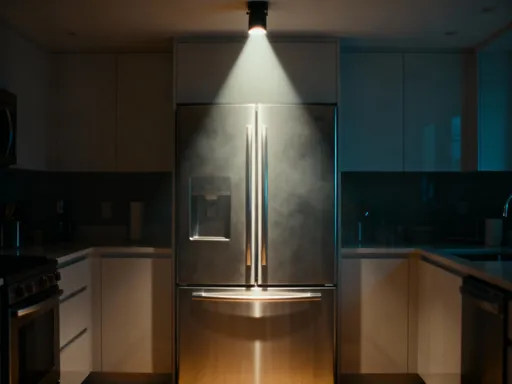
You don’t need a huge budget to upgrade your home appliances—you just need a smarter approach. I once replaced my entire kitchen setup without draining my savings, and it wasn’t luck. By focusing on cost optimization, timing, and hidden value opportunities, I cut costs by more than half. This isn’t about cheap picks—it’s about strategic decisions that deliver long-term value. Let me walk you through the method that changed how I think about everyday spending. What began as a simple need to replace a failing refrigerator evolved into a full home upgrade, completed under budget and with lasting benefits. The key wasn’t waiting for a windfall; it was understanding how small, deliberate choices compound into major financial wins.
The Hidden Cost of Impulse Upgrades
Many consumers believe that upgrading appliances requires a large sum of money, but in reality, poor decision-making often costs more than the appliance itself. The true financial burden doesn’t come from the purchase price alone—it stems from impulse decisions made under pressure, whether due to sudden breakdowns, flashy advertisements, or the fear of missing out on a limited-time sale. These emotional triggers lead to rushed evaluations, overlooked alternatives, and ultimately, higher total spending over time. For example, replacing a broken washing machine immediately during peak summer months—when demand is high and discounts are scarce—can mean paying 20% to 30% more than if the same model were purchased six months later during a seasonal clearance.
One of the most common pitfalls is mistaking a discount for true value. Retailers often time sales around major holidays like Memorial Day or Black Friday, creating a sense of urgency that overrides careful consideration. A shopper might see a $200 reduction on a $1,200 refrigerator and feel they’ve secured a great deal. However, if that model is outdated, energy inefficient, or from a brand with poor reliability ratings, the short-term savings vanish over the next five years in higher electricity bills and repair costs. Studies from consumer research groups show that nearly 40% of appliance buyers regret their choices within the first year, primarily due to unmet performance expectations or unexpected operating expenses.
Another overlooked factor is the psychological impact of convenience. Online shopping platforms now offer same-day delivery and instant financing, making it easier than ever to click “buy” without assessing long-term implications. While financing options like zero-percent interest for 24 months may seem attractive, they often come with strict payment terms and penalties for late payments. Consumers who fail to pay in full by the promotional period’s end can face retroactive interest charges, turning a seemingly smart purchase into a costly debt trap. The real cost of an impulse upgrade, therefore, includes not only higher prices and inefficient models but also potential financial strain from mismanaged credit.
Finally, many buyers ignore the opportunity cost of their decisions. By spending $1,500 on an unplanned appliance purchase, they may delay contributions to an emergency fund or retirement account—resources that could have earned compound returns over time. The lesson here is clear: emotional urgency leads to financial leakage. Avoiding these pitfalls begins with recognizing that appliance purchases are not emergencies in most cases. Even when a device fails, temporary solutions—such as using a countertop microwave while planning a range replacement—can buy time for research, price comparison, and strategic timing, all of which protect the household budget in the long run.
Reframing Appliance Spending: Investment vs. Expense
For most households, appliances are seen as necessary expenses—items to be replaced only when they stop working. But this mindset overlooks a powerful truth: certain upgrades can function as financial investments, delivering measurable returns over time. When approached strategically, appliance spending can reduce ongoing costs, enhance home functionality, and even increase property value. The shift from viewing appliances as mere expenses to recognizing them as value-generating assets changes the entire decision-making process. Instead of asking “How cheap can I go?”, the smarter question becomes “How much value will this generate over its lifetime?”
One of the clearest ways appliances act as investments is through energy efficiency. Modern refrigerators, dishwashers, and washing machines consume significantly less electricity and water than models from even a decade ago. According to the U.S. Department of Energy, replacing a refrigerator from the early 2000s with an Energy Star-certified model can save over $200 in electricity costs over five years. While the new unit may cost $300 more upfront, the net financial benefit after five years is $500. This is not hypothetical—it’s a calculable return on investment. Similarly, high-efficiency heat pump dryers use up to 30% less energy than conventional models, reducing monthly utility bills and minimizing environmental impact.
Beyond utility savings, durable appliances reduce the frequency and cost of repairs. A mid-tier brand with a reputation for reliability may cost 15% more than a budget model, but its lower failure rate means fewer service calls and longer service life. Consumer Reports data indicates that certain brands have repair rates below 10% after five years, while others exceed 30%. Over a 10-year period, the higher-quality model could save hundreds in technician fees and replacement parts. These avoided costs represent real financial gains, even if they don’t appear as direct income.
Additionally, appliance upgrades can enhance home value, particularly in kitchens and laundry areas—spaces that matter to potential buyers. A 2023 National Association of Realtors survey found that 62% of homebuyers consider appliance condition when evaluating a property. Homes with modern, energy-efficient appliances tend to sell faster and at higher price points, especially in competitive markets. Even if you’re not planning to sell, knowing your upgrades contribute to long-term equity provides peace of mind and financial flexibility. Viewing appliance spending through this dual lens—immediate utility and future value—transforms what seems like a routine purchase into a strategic financial move.
Timing the Market: When to Buy for Maximum Savings
Just as financial markets have cycles, so do appliance retail trends. Understanding these patterns allows consumers to buy at the lowest possible prices without sacrificing quality. The key is aligning purchases with natural discount cycles driven by manufacturer schedules, retail inventory management, and consumer demand fluctuations. By waiting for the right moment, shoppers can access the same high-performing models at significantly reduced prices—sometimes up to 40% below peak-season rates.
One of the most reliable opportunities occurs during the transition between model years. Manufacturers typically release updated versions of major appliances in the spring, around March or April. To clear out the previous year’s inventory, retailers begin discounting older models in late winter and early spring. This creates a prime window for buyers seeking last year’s models at deep discounts. For example, a high-end French door refrigerator that retailed for $2,500 in December may be marked down to $1,700 by March, even if its features and performance remain excellent. These older models are fully functional, often identical to new versions, and carry the same warranties—yet cost substantially less.
Another optimal buying period is late summer, particularly August and early September. This timing coincides with the back-to-school season, when retailers shift focus to electronics and furniture, reducing marketing efforts on appliances. To maintain cash flow, stores offer clearance events on large home goods, including ranges, dishwashers, and washers. Additionally, many utility companies run rebate programs during this time to encourage energy-efficient upgrades before winter heating demands increase. Combining manufacturer discounts, retailer promotions, and utility rebates can result in total savings exceeding 50% off the original price.
Holiday sales, while heavily advertised, require careful evaluation. Black Friday and Cyber Monday often feature eye-catching deals, but savvy shoppers know that not all discounts are equal. Some retailers inflate prices before the sale to make reductions appear larger. Others limit discounts to lower-tier models, steering customers away from the most desirable units. The best strategy is to research prices in advance, track them over several months, and compare offers across multiple retailers. Waiting until the final days of a sale, when stores are eager to clear remaining stock, can yield even better prices than opening-day promotions. Timing isn’t about waiting indefinitely—it’s about buying when market forces align in the consumer’s favor.
The Price Beyond the Tag: Factoring in Total Ownership Cost
The price displayed on an appliance tag is only the beginning of the financial story. The true cost of ownership includes energy consumption, maintenance, repair likelihood, and expected lifespan. Focusing solely on the purchase price can lead to costly mistakes, especially when cheaper models consume more power or break down prematurely. A more accurate way to evaluate value is to calculate the total cost of ownership (TCO) over a 10-year period, combining upfront cost with ongoing expenses.
Consider two refrigerators: Model A costs $1,000 but uses 600 kilowatt-hours (kWh) of electricity per year, while Model B costs $1,300 but uses only 380 kWh annually. At an average electricity rate of $0.14 per kWh, Model A will cost $84 per year to operate, totaling $840 over a decade. Model B will cost $53 per year, or $530 over the same period. When combined with the purchase price, Model A’s total cost reaches $1,840, while Model B’s is $1,830—nearly identical, despite the higher sticker price. In this case, the more efficient model pays for its premium through lower operating costs. If Model B also lasts longer or requires fewer repairs, its advantage grows even further.
Energy Star ratings provide a reliable benchmark for comparing efficiency. Appliances with this certification meet strict energy performance standards set by the Environmental Protection Agency. On average, Energy Star-certified refrigerators use 15% less energy than non-certified models, while certified dishwashers use 12% less water and 15% less energy. These savings accumulate over time, particularly in homes where appliances run daily. Additionally, some states offer tax incentives or rebates for purchasing energy-efficient models, further reducing net cost.
Warranty coverage is another critical component of TCO. A longer, comprehensive warranty reduces the risk of unexpected repair bills. A model with a 10-year compressor warranty, for instance, offers greater protection than one with a standard one-year parts-and-labor warranty. Extended warranties purchased separately often cost more than the difference in price between models, making it smarter to pay slightly more upfront for better built-in coverage. By evaluating appliances through the lens of total ownership cost, consumers shift from short-term bargain hunting to long-term financial planning—choosing products that deliver sustained value rather than temporary savings.
Sourcing Smart: Where to Buy for Better Deals
Location matters as much as timing when it comes to appliance shopping. Different retail channels offer distinct advantages and trade-offs, and understanding these differences can lead to substantial savings. Whether shopping at big-box stores, online marketplaces, outlet centers, or local dealers, each option presents unique opportunities for cost reduction—if approached with knowledge and caution.
Big-box retailers like national home improvement chains offer convenience, wide selection, and frequent promotions. They often have price-matching policies, allowing customers to secure the lowest available rate. However, their pricing is not always the most competitive, especially on higher-end models. Sales staff may also prioritize units with higher profit margins, potentially steering buyers away from the best value options. To counter this, shoppers should research models independently, bring printed price comparisons, and ask specifically about floor models or open-box deals, which can offer savings of 20% to 30% with minimal risk.
Online marketplaces provide access to a broader range of sellers and often feature lower prices due to reduced overhead. However, online shopping carries risks such as delayed delivery, damaged goods, or difficulty returning large items. It’s essential to purchase from reputable sellers with strong customer reviews and clear return policies. Some online retailers also offer “open-box” listings—appliances that were returned or used as displays—at significant discounts. These units are typically inspected, refurbished if necessary, and sold with warranties, making them a smart choice for budget-conscious buyers.
Appliance outlet stores specialize in selling overstock, discontinued, or slightly damaged units at reduced prices. These stores often carry name-brand products at 30% to 50% off retail. While cosmetic imperfections like scratches may be present, the functionality remains intact. Buyers should inspect units carefully and confirm warranty coverage before purchasing. Additionally, some manufacturers operate factory outlets where last year’s models are sold directly, eliminating middlemen and passing savings to consumers.
Negotiation remains a powerful but underused tool. Many consumers assume appliance prices are fixed, but dealers—especially local or independent ones—may be willing to discount further, bundle accessories, or include free installation. Trade-in programs, though not always generous, can also reduce net cost. By exploring multiple sourcing options and combining them with timing strategies, buyers can maximize value without compromising on quality or reliability.
Extending Value: Maintenance and Usage Hacks
Purchasing a high-quality appliance is only half the battle; maintaining it properly ensures long-term performance and cost efficiency. Even the most advanced models degrade over time if neglected, leading to higher energy use, reduced lifespan, and unexpected repairs. Fortunately, most maintenance tasks are simple, low-cost, and require minimal time. Incorporating these habits into a household routine can extend appliance life by years, preserving both functionality and financial value.
Refrigerators, for example, rely on clean condenser coils to operate efficiently. Dust buildup forces the compressor to work harder, increasing energy consumption by up to 30%. A quick monthly wipe with a brush or vacuum takes less than five minutes and prevents strain on the system. Similarly, ensuring proper door seal integrity—by checking for gaps and cleaning gaskets regularly—prevents cold air leakage and maintains consistent temperatures.
Washing machines benefit from regular drum cleaning and detergent drawer maintenance. Residue from soap and fabric softener can clog internal components, leading to odors and mechanical issues. Running a monthly hot water cycle with vinegar or a dedicated cleaner removes buildup and keeps the machine running smoothly. Front-load models, in particular, require attention to the door seal, which can trap moisture and mold if not wiped down after use.
Dishwashers also need periodic care. Food particles and mineral deposits can clog spray arms and filters, reducing cleaning effectiveness. Removing and rinsing the filter every few weeks prevents blockages. Using rinse aid improves drying performance and reduces spotting, minimizing the need for re-washing. Additionally, avoiding pre-rinsing dishes—contrary to popular belief—can protect modern dishwasher sensors and extend the machine’s life.
Simple usage adjustments also contribute to efficiency. Running full loads in both the washer and dishwasher maximizes energy and water use. Selecting eco modes, when available, reduces consumption without sacrificing performance. Keeping ovens clean ensures even heat distribution, while using lids on pots during cooking reduces stove time. These small actions, when practiced consistently, compound into meaningful savings and reduce the frequency of replacements—turning ownership into a sustainable, cost-effective cycle.
Building a Sustainable Upgrade Cycle
Smart appliance management is not a one-time event but a continuous process. The most financially confident households don’t wait for breakdowns—they plan upgrades proactively, creating a sustainable cycle that aligns with budgeting, market trends, and usage patterns. This approach eliminates urgency, reduces stress, and ensures that every purchase is intentional and value-driven.
The foundation of this cycle is tracking. Homeowners should maintain a simple record of each appliance’s purchase date, expected lifespan, and performance trends. For example, noting when a refrigerator starts making unusual noises or when a washing machine’s spin cycle becomes less effective provides early warning signs of decline. This allows time to research replacements, save incrementally, and wait for optimal buying conditions.
Micro-saving is a powerful tool in this strategy. Setting aside $25 to $50 per month in a dedicated “appliance fund” builds a cushion over time. In five years, this amounts to $1,500 to $3,000—enough to cover most mid-range upgrades without relying on credit. Automating these transfers ensures consistency and removes the burden of manual budgeting.
Finally, each purchase becomes a learning opportunity. Reflecting on what worked—such as a brand’s reliability or a retailer’s service—refines future decisions. Over time, this builds financial confidence, not just in appliance shopping but in broader household management. The goal is not to spend less at all costs, but to spend wisely, creating lasting value with every choice.
Upgrading appliances doesn’t have to mean overspending. With the right method, it becomes a strategic move that aligns with long-term financial health. By optimizing timing, understanding true costs, and making intentional choices, you gain control over your spending—and your home. This isn’t about sacrifice; it’s about smarter value creation, one appliance at a time. When approached with patience, knowledge, and discipline, everyday purchases transform into lasting financial wins. The kitchen that once felt outdated and inefficient can become a model of modern convenience and cost control—not because of a sudden windfall, but because of thoughtful, deliberate action. In the end, financial confidence isn’t built through grand gestures, but through consistent, informed decisions that add up over time.