After sharing locations with my family for 6 months, I became the calmest one in every crisis
Remember that constant “Where are you?” text from your mom? Or the panic when your sibling was late and unreachable? I used to dread those moments—until we started using location sharing. It wasn’t about tracking. It was about trust, peace, and showing up for each other—without the stress. What began as a simple tech tweak quietly transformed how we connect, care, and grow together. This is how it changed my life, one shared pin at a time.
The Panic Button in Every Phone
Have you ever been stuck in traffic, phone on silent, only to surface into a storm of missed calls and frantic messages? I have—more times than I can count. One evening stands out vividly. My younger sister was supposed to join us for my mom’s birthday dinner. She lives across town, and we were all gathered around the table, plates warming in the oven, candles flickering. Thirty minutes passed. Then forty-five. No call. No text. My mom kept glancing at her phone, then at the door, then back again. The silence felt heavier with every minute. Was she okay? Did something happen? Was she hurt? The questions spiraled, and so did our worry.
When she finally walked in, flustered but unharmed, the relief was immediate—but so was the frustration. “Why didn’t you just call?” my mom asked, voice trembling. “I was stuck behind an accident, phone died,” she said, already defensive. “I didn’t want to worry you.” But we were worried. We always worry. That night, I realized our technology wasn’t helping us feel closer—it was amplifying the gaps. We had smartphones in our pockets, yet we were emotionally miles apart. That’s when I suggested location sharing. Not as a fix, not as a rule, but as a small act of care. “What if we could just see you’re okay?” I asked. “No calls needed. Just peace of mind.” She hesitated, but agreed. And just like that, the storm began to calm.
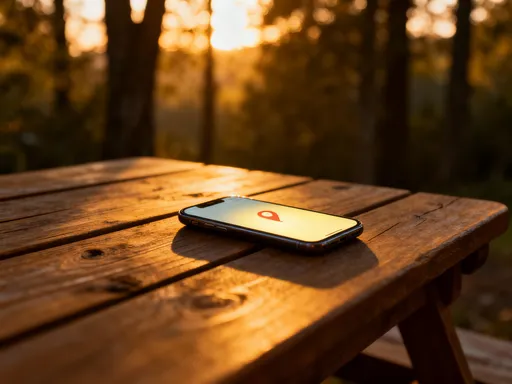
It wasn’t magic. It didn’t eliminate traffic or dead batteries. But it did something more powerful: it removed the uncertainty. Knowing she was moving, even slowly, was enough. The red dot on the map wasn’t cold data—it was a quiet promise: I’m here. I’m safe. I’m on my way. That night taught me that the real crisis wasn’t the delay—it was the silence that followed. And sometimes, the simplest tools can fill the loudest silences.
From Control to Care: Changing the Conversation
I’ll be honest—I used to see location sharing as a little creepy. Like something out of a spy movie or a controlling relationship. The idea of someone “watching” me made my skin crawl. I associated it with mistrust, with boundaries being crossed. So when I first floated the idea to my family, I braced for resistance. But instead of pushing back, my sister asked, “Wait… can we control when it’s on?” That question changed everything. Because it wasn’t about constant surveillance—it was about choice.
We sat down together—me, my mom, my sister, my brother—and talked about what this could look like. No rules. No pressure. Just honesty. We decided to share only during commutes, not at home. We’d turn it off when we got to work, school, or a friend’s house. It wasn’t about knowing every move—it was about knowing the ones that mattered. “Think of it like a check-in light,” I said. “Like when you text ‘I’m here,’ but without the typing.” My brother laughed. “So it’s like a digital wave?” Exactly. A quiet, no-pressure way of saying, “I’m okay.”
The shift in tone was immediate. Instead of tense texts like “Where are you??” we started getting lighthearted ones: “I see you’re on the highway—want me to start the rice?” or “Your dot just turned left—did you stop for coffee?” It wasn’t surveillance. It was connection. And because we set boundaries together, it felt safe. We weren’t being watched—we were being looked out for. That distinction matters. Technology doesn’t have to feel invasive. When used with love and intention, it can actually strengthen trust instead of eroding it. We weren’t losing privacy—we were gaining peace.
The Quiet Confidence of Knowing
There’s a kind of calm that comes not from ignoring worry, but from resolving it. I didn’t realize how much mental energy I spent imagining worst-case scenarios until they stopped. My sister’s first solo school drop-off with her son was a turning point. He was starting middle school, and for the first time, she wasn’t walking him in. She was letting him go—in more ways than one. The morning of, she was a bundle of nerves. “What if he gets lost? What if someone talks to him? What if he doesn’t know where his classroom is?” She called me twice before 8 a.m., voice tight with anxiety.
Then I reminded her: “You can see him on the app.” She’d set it up the night before, and he’d agreed to keep it on during his walk to school. She opened the map, saw his little dot moving steadily down the sidewalk, turning at the corner, crossing the street with the light, and finally entering the school gates. Her breath released like she’d been holding it for hours. “He’s okay,” she whispered. And just like that, her panic softened into pride. She didn’t call him. She didn’t text. She just watched, smiled, and got on with her day.
That moment stayed with me. Because it wasn’t just about safety—it was about emotional freedom. She didn’t have to imagine his safety. She could see it. And that certainty gave her the space to breathe, to focus, to be present in her own life. For me, it was my dad’s morning routine that became a quiet anchor. Every day, like clockwork, I’d see his dot leave the house, drive to the coffee shop, park, and sit for 20 minutes with his paper. No messages. No calls. Just the steady rhythm of his life, visible on my phone. It became a ritual—a digital heartbeat that said, “He’s still here. He’s okay.” And in a world where so much feels uncertain, that small, steady presence became a source of deep comfort.
Unexpected Growth: How Knowing Where They Are Helped Me Grow
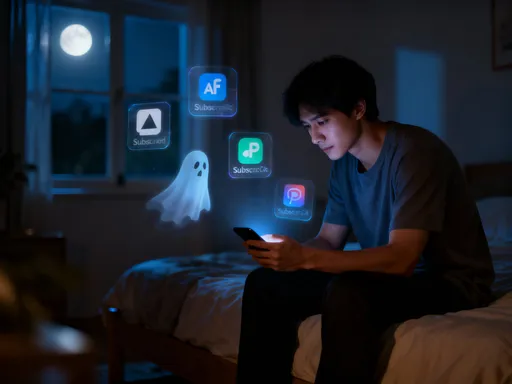
I didn’t expect location sharing to change me. I thought it was just about keeping tabs on the family, reducing stress in emergencies. But what I didn’t realize was how much mental space worry was taking up. The constant background hum of “Is she okay? Did something happen? Should I call?”—it was exhausting. And I didn’t even know I was carrying it until it was gone.
With that noise quieted, something shifted. I started noticing things I hadn’t before. I took up journaling—not because I had more time, but because I had more headspace. I became more present in conversations. I stopped checking my phone every five minutes for updates and started really listening when my niece told me about her school project. I even slept better. No more lying awake wondering if my brother made it home safely after his late shift.
It was like clearing a cluttered room. Once the worry was lifted, I had room to grow. I started setting small goals for myself—reading more, cooking new recipes, taking walks without my phone. I wasn’t just calmer for my family—I was calmer for me. And that calm gave me clarity. I began to ask myself: Where do I want to be? What kind of life do I want to build? Knowing where my loved ones were gave me the freedom to figure out where I wanted to go. It wasn’t just about their safety—it was about my own emotional well-being. By reducing the fear of the unknown, I made space for the known: my dreams, my passions, my peace.
Teaching Trust with Technology
When we introduced location sharing to my teenage cousin, I was nervous. Teens value their privacy—rightfully so. I didn’t want her to feel controlled or mistrusted. So we didn’t present it as a rule. We framed it as a tool for independence. “You don’t have to call us every time you leave the house,” we told her. “Just share your location when you’re out. That way, we know you’re safe, and you don’t have to interrupt your day to check in.”
At first, she was skeptical. “So you can watch me?” she asked, eyebrow raised. “No,” I said. “We won’t be watching. We’ll just know you’re moving. Like a heads-up, not a surveillance camera.” We showed her how to turn it on only when she wanted to, how to stop sharing whenever she felt like it. And most importantly, we respected her choices. If she didn’t share, we didn’t nag. We trusted her to decide.
What surprised us was how quickly she embraced it—not out of obligation, but out of care. One day, she texted: “Leaving Mia’s, sharing location.” No prompting. No reminders. She did it because she knew it made us feel better. Over time, it became second nature. She even started using it with her friends. “We all share when we’re coming home late,” she told me. “It’s just easier than texting.” That moment hit me: we weren’t teaching her to obey. We were teaching her to care—to balance freedom with responsibility, to use technology not as a leash, but as a lifeline. And in doing so, we were raising a generation that understands that trust isn’t given—it’s built, one small, intentional act at a time.
The Rituals We Built Around a Simple Dot
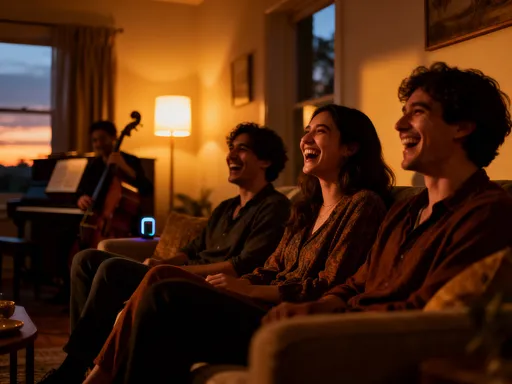
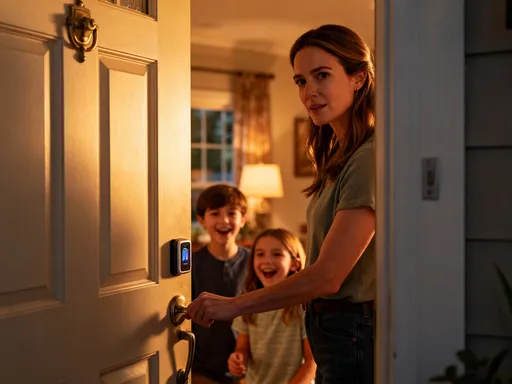
The most unexpected gift of location sharing wasn’t safety or peace—it was connection. It became part of our family rhythm in ways I never imagined. Sunday dinners, once marked by anxious glances at the clock, now begin with someone saying, “Looks like Aunt Mei is turning onto the highway!” Cue the happy murmurs, the oven being turned on, the wine being poured. When my nephew sees his dad’s dot approaching the house, he runs to the window: “Dad’s here!” It’s not just information—it’s anticipation. It’s love in motion.
We started using it for more than emergencies. Road trips became easier. “We’re at the rest stop—want us to grab snacks?” “I see you’re close—pull over, we’ll meet you.” Even during holidays, when half the family is traveling, we keep a shared map open on the living room TV. It’s not about tracking. It’s about togetherness. It’s a visual reminder that no matter how far apart we are, we’re still connected.
And sometimes, the dot becomes a conversation starter. “Why did you stop at the park?” “Oh, I saw the sunset and just had to pause.” “I was feeling overwhelmed and needed quiet.” Those little moments—those unplanned pauses—became invitations to share, to be seen, to be human. The map didn’t replace talking. It made space for deeper conversations. It reminded us that technology, when used with heart, can actually bring us closer to what matters most: each other.
More Than a Map: A New Kind of Emotional Glue
Looking back, I realize location sharing didn’t just change how we communicate—it changed how we care. It wasn’t about the app or the feature or the little blue dot. It was about what that dot represented: a quiet act of love. A way of saying, “I’m thinking of you. I care. You’re not alone.” In a world that often feels chaotic and disconnected, it became our anchor.
I’m not saying it’s perfect. Sometimes the battery dies. Sometimes someone forgets to turn it on. And that’s okay. Because the habit isn’t about perfection—it’s about intention. It’s about choosing, again and again, to show up for each other in small, meaningful ways. And over time, those small choices add up. They build trust. They reduce fear. They create space for joy.
I used to be the anxious one, the one sending the “Where are you?” texts. Now, I’m the calm one. Not because I’ve changed completely—but because I’ve learned that peace isn’t the absence of worry. It’s the presence of trust. And sometimes, that trust comes in the form of a simple map, a shared location, and a family who shows up—not just in person, but in spirit, one dot at a time. In the end, it wasn’t the technology that brought us closer. It was what we chose to do with it: love, protect, and believe in each other, even from a distance.