What If Your Smart Assistant Could Help You Make New Friends?
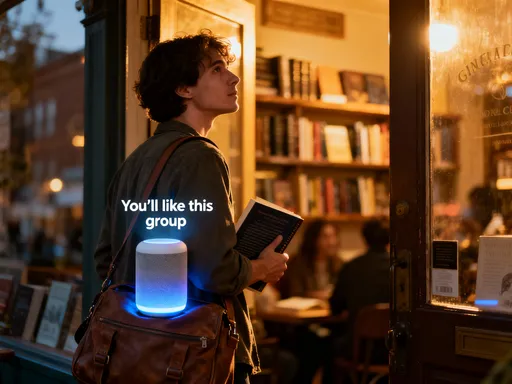
Imagine coming home after a long week, feeling disconnected—not just from your devices, but from people. You scroll through social media, seeing others laugh at gatherings you weren’t invited to. Now picture this: your smart speaker suggests a local book club that matches your taste, reminds you to RSVP, and even coaches you on conversation starters. That’s not science fiction—it’s personalization turning loneliness into connection, one thoughtful nudge at a time. It’s the quiet promise of modern technology: not just to make life easier, but to help you feel more seen, more included, and more connected in a world that sometimes feels too fast to keep up with.
The Quiet Loneliness in a Hyper-Connected World
Let’s be honest—many of us feel it, even if we don’t talk about it. You’re juggling school pickups, grocery runs, work deadlines, and household chores. By the time the kids are asleep and the laundry is folded, you’re too tired to pick up the phone. Socializing slips through the cracks, not because you don’t want to connect, but because it feels like one more thing on an already overflowing list. And when you do scroll through your phone, seeing photos of friends at dinner parties or weekend hikes, it doesn’t always spark joy. Sometimes, it just reminds you how far you’ve drifted from your own social circle.
This kind of loneliness isn’t dramatic. It doesn’t come with a crisis or a loud alarm. It’s quiet—the kind that builds slowly when you realize you haven’t had a real conversation in weeks. Maybe you used to meet up with other parents after school drop-off, but those chats faded when schedules got busy. Or perhaps you moved to a new neighborhood and never quite found your footing. The digital world offers constant contact, but it often lacks depth. A quick text or a heart emoji isn’t the same as sharing a laugh over coffee or swapping stories about your day.
And here’s the thing: this isn’t just about missing out on fun. Studies show that strong social connections are linked to better mental and physical health. Feeling connected can lower stress, improve sleep, and even support heart health. But building and maintaining those relationships takes effort—and time. For many of us, especially women in the middle years of life, time is the one thing we never seem to have enough of. We care for others so much that we forget to care for our own need to belong. The good news? Technology, which sometimes feels like part of the problem, might actually be part of the solution.
From Task Manager to Social Companion: The Evolution of Smart Assistants
Remember when smart assistants were just voice-activated timers? “Set a timer for ten minutes,” “Play my morning playlist,” “What’s the weather today?” Those were the early days—helpful, but pretty basic. Fast forward to now, and your device knows when you usually wake up, what kind of music lifts your mood, and even which podcasts you pause halfway through. It’s not just responding to commands anymore. It’s starting to understand you.
This shift didn’t happen overnight. Behind the scenes, artificial intelligence has been quietly learning. Using natural language processing, machine learning, and behavioral analysis, smart assistants now pick up on patterns. If you ask about hiking trails every spring, your device might start suggesting outdoor events before you even search. If you often listen to classical music while cooking, it might recommend a local chamber concert. These aren’t random guesses—they’re thoughtful suggestions based on what you’ve already shown you enjoy.
And here’s where it gets interesting: that same intelligence can be used to help you connect with people. Because if your assistant knows you love baking, it can find a local pie swap. If it notices you’ve been searching for mindfulness apps, it might suggest a beginner’s yoga class nearby. It’s like having a friend who pays attention—not just to what you say, but to what you do. And sometimes, that kind of attention is exactly what we need to take the next small step toward connection.
The evolution from task manager to social companion isn’t about replacing human relationships. It’s about bridging the gap when life gets overwhelming. Think of it as a gentle nudge from someone who knows your rhythm, your interests, and maybe even your hesitations. It’s not pushing you into anything. It’s simply saying, “Hey, there’s something out there that feels like you. Want to check it out?”
Personalization That Goes Beyond Preferences
Most of us are used to basic personalization—like when a streaming service recommends a show based on what we’ve watched. But today’s smart assistants go much deeper. They don’t just look at what you search for. They look at when, how often, and how you interact with things. If you keep pausing a meditation video but never finish it, your device might sense you’re interested but unsure where to start. That’s when it can step in with a suggestion for a live, in-person session with a gentle instructor at a nearby wellness center.
This kind of deep personalization works because it’s based on real behavior, not just one-off searches. For example, if you’ve been reading articles about birdwatching, following nature photographers on social media, and recently bought a pair of binoculars, your assistant might recognize a growing interest. Instead of just showing ads for more gear, it could suggest a weekend birding walk hosted by a local conservation group. These aren’t generic recommendations. They’re tailored to the subtle signals you’re already sending.
And the best part? These suggestions often lead to real human connection. You’re not just learning about a hobby—you’re finding people who share it. Imagine walking into a small group of fellow bird lovers, all of whom showed up because they, too, were curious and open to something new. No pressure, no awkward small talk about the weather. You already have something in common, thanks to a quiet nudge from your device.
This isn’t about replacing your intuition or spontaneity. It’s about giving you more opportunities to say yes. Life gets busy, and sometimes we miss things because we’re not looking in the right place. But when your assistant starts recognizing your patterns, it can bring those opportunities to you—like a thoughtful friend who always seems to know what you need before you do.
Building Bridges: How AI Suggests Meaningful Connections
Not all social events feel welcoming. We’ve all been to gatherings where we stood in the corner, unsure what to say or who to talk to. That’s why the best AI-driven suggestions focus on shared interests, not just proximity. It’s not about filling your calendar with random meetups. It’s about finding the right ones—events that align with who you are and what brings you joy.
Let’s say you recently signed up for a pottery class online. Your assistant notices this new interest and starts scanning local community boards. A week later, it says, “There’s a pottery share night at the downtown arts center this Friday. Beginners welcome. Want me to save the details?” That’s not just helpful—it’s meaningful. It connects a personal interest to a real-world experience with other people who care about the same thing.
Or maybe you’ve been cooking more plant-based meals. Your grocery list shows more lentils, chickpeas, and leafy greens. Your assistant might suggest a vegan cooking meetup or a farmers’ market tour. These aren’t flashy events with hundreds of strangers. They’re small, low-key gatherings where conversation flows naturally because everyone is there for the same reason—to share, learn, and connect.
The power of these suggestions lies in their timing and relevance. They don’t come out of nowhere. They build on what you’re already doing. And because they feel authentic, they’re easier to say yes to. You’re not forcing yourself into a social situation. You’re following a thread of curiosity that your device helped you see. That small difference—going from “I should socialize more” to “There’s a knitting circle for women who love cozy patterns”—can make all the difference in actually showing up.
Gentle Nudges That Build Confidence
Let’s talk about the real barrier: showing up. For many of us, the hardest part isn’t finding an event. It’s walking through the door, especially if it’s somewhere new. What if no one talks to me? What if I don’t know anyone? What if I feel out of place? These worries are real, and they stop us from trying, even when we want to.
This is where smart assistants can go beyond reminders and become gentle coaches. Imagine your device saying, “You’re signed up for the garden tour tomorrow at 10 a.m. Here’s a quick tip: bring a notebook to jot down plant names. And if you want, I can practice a few opening lines with you.” Then, you can rehearse something simple like, “I love your herb garden—what’s your favorite plant to grow?” or “This lavender is beautiful. Do you dry it for sachets?”
These small moments of preparation can ease anxiety. They don’t eliminate nerves—that’s normal—but they give you a starting point. It’s like having a friend whisper, “You’ve got this,” before you walk into a room. Some assistants can even send a calming playlist or breathing exercise before the event, helping you arrive feeling centered and ready.
And if you’re nervous about remembering names, your device can help with that too. After the event, it might ask, “How did the garden tour go? Want to save the names of the people you met?” With your permission, it can store those details and remind you later—“Send a photo of the rosemary to Sarah, who shared her cuttings with you.” These tiny acts of follow-up can turn a one-time meeting into the beginning of a friendship.
The goal isn’t to make technology do the socializing for you. It’s to give you the support you need to do it yourself—with a little less fear and a little more confidence.
Privacy with Purpose: Staying in Control
Now, I know what you might be thinking: “Wait—does this mean my device is always listening? Is it tracking everything I do?” These are fair questions, and they matter. The truth is, no suggestion—no matter how thoughtful—should come at the cost of your privacy.
The good news is that most modern smart assistants are designed with privacy in mind. You’re in control. You choose what data to share. You can turn off voice history, delete recordings, or pause tracking at any time. The AI doesn’t work by spying on you. It works by learning from what you choose to let it see—like your calendar, your search history, or the apps you use.
And here’s an important detail: much of the processing happens right on your device, not in some faraway server. That means your personal habits—like when you meditate or what recipes you save—don’t need to leave your phone or speaker to be understood. The system recognizes patterns locally, so your data stays private.
Plus, these social suggestions are opt-in. You decide whether to allow your assistant to suggest events or groups. You can turn it off anytime. This isn’t about being watched. It’s about being supported—on your terms. The technology is there to serve you, not to track you.
When privacy is respected, personalization becomes a tool, not a threat. It’s like giving a trusted friend a key to your calendar so they can remind you of birthdays—not handing over your whole life story. You stay in charge, and the technology simply helps you live it more fully.
A Smarter Home, A Richer Life
At the end of the day, the best technology doesn’t draw attention to itself. It fades into the background, making space for what really matters—your life, your relationships, your peace of mind. When your smart assistant helps you join a book club, attend a craft fair, or simply say hello to a neighbor at a community event, it’s not just completing a task. It’s helping you reclaim a part of yourself that may have gotten lost in the daily rush.
Because here’s the beautiful thing: feeling heard by a machine can lead to being seen by real people. That book club suggestion? It might lead to a weekly coffee date. That gardening event? It could spark a friendship that lasts for years. These aren’t just social wins. They’re moments of belonging—of feeling like you’re part of something warm, real, and alive.
And let’s not forget: you deserve that. You spend so much time caring for others—your family, your home, your work. It’s okay to want connection for yourself. It’s okay to want to try something new, to meet people who get you, to laugh with strangers who become friends. You don’t have to do it all alone. And you don’t have to figure it out from scratch.
The future of smart technology isn’t about flashy gadgets or futuristic homes. It’s about quiet moments of support—like a reminder to RSVP, a practice conversation, or a simple “You might like this.” It’s about using intelligence not just to save time, but to create space—for joy, for connection, for the kind of life that feels full, not just busy.
So the next time your assistant makes a suggestion, don’t brush it off. Listen. Because behind that voice might be an invitation—not just to an event, but to a richer, more connected version of your life. And who knows? The next time you come home after a long week, you might not feel disconnected at all. You might just feel like you belong.