From Scattered to Streamlined: How Online Video Platforms Brought Order to My Daily Life
Life used to feel like a never-ending search for the right video—whether it was a recipe my kid loved, a workout that fit my schedule, or a show we could all enjoy together. I’d waste minutes, even hours, scrolling, forgetting, restarting. Then I discovered how online video platforms, when used wisely, can do more than entertain—they can organize. They became my family’s shared memory bank, my personal coach, and my go-to teacher—all in one. No more chaos. Just clarity, connection, and calm. And it’s simpler than you think.
The Overwhelm of Too Many Videos
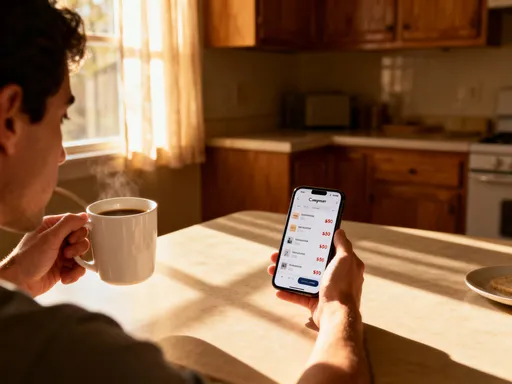
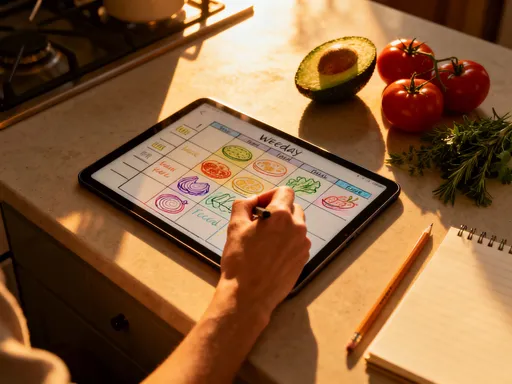
Have you ever stood in your kitchen, one hand stirring a pot, the other scrolling through your phone, desperately trying to find that one garlic butter pasta recipe your daughter begged for last week? I have. More times than I’d like to admit. It’s not just about cooking, either. It’s the yoga video you saved but can’t locate when you finally have ten quiet minutes. It’s the cartoon your toddler watched once and now demands every morning. It’s the DIY craft tutorial you bookmarked for your child’s birthday party—only to realize, two days before the event, you have no idea where it went.
This kind of digital disarray isn’t just annoying—it’s emotionally draining. Every time I couldn’t find a video, I felt a little more frazzled, a little less capable. I started to wonder: if I can’t manage a simple playlist, how am I supposed to manage everything else? The irony is, these videos were meant to help me. They were supposed to make life easier—teach me something, calm me down, entertain the kids while I folded laundry. But without a system, they did the opposite. They added to the noise. They became another source of pressure, another thing I was failing at.
And I know I’m not alone. So many of us treat video platforms like digital junk drawers—tossing things in when we find them, hoping we’ll remember where we put them later. But the truth is, our brains aren’t built to remember every clip we liked two months ago. We need structure. We need a way to turn this flood of content into something useful, something that supports us instead of stressing us out.
A Personal Wake-Up Call: When I Realized I Needed a System
The moment everything changed was, ironically, one of the most ordinary days of the year—my son’s birthday. He had this little wooden train he’d had since he was two, and it had always made this soft chugging sound when he pushed it. That morning, the sound stopped. He looked up at me with those big, trusting eyes and said, ‘Mommy, can you fix it?’ And I said, ‘Of course I can.’
I remembered there was a video—someone had taken apart a similar toy and shown how to replace the sound module. I’d watched it months ago. I was sure of it. But when I pulled out my phone, I couldn’t find it. I searched keywords. I scrolled through my watch history. I even asked my husband if he’d seen it. Nothing. In the end, I wrapped the train in tissue paper and put it in a drawer, promising my son we’d fix it ‘soon.’ But ‘soon’ never came. That broken train sat there for months, and every time I saw it, I felt like I’d failed him.
That was my wake-up call. It wasn’t just about a toy. It was about trust—my child trusting me to solve a problem, and me not being able to follow through because I couldn’t manage my own digital life. I realized I was treating video platforms like entertainment zones, not tools. But they could be so much more. They could be my repair manual, my teaching guide, my personal archive. All I needed was a way to organize them—intentionally, consistently, and in a way that fit my real life.
So I made a promise to myself: no more random saving. No more ‘I’ll find it later.’ I would build a system—one that didn’t require tech skills or hours of setup. Just something simple, something that worked for a busy mom with a full schedule and a full heart.
How Online Platforms Quietly Became My Information Hub
At first, I thought organizing videos meant downloading them or moving them to some fancy app. But then I realized—I didn’t need to go anywhere else. The platforms I already used every day—YouTube, Netflix, even Vimeo—had everything I needed. They weren’t just for watching. They were becoming my personal knowledge library.
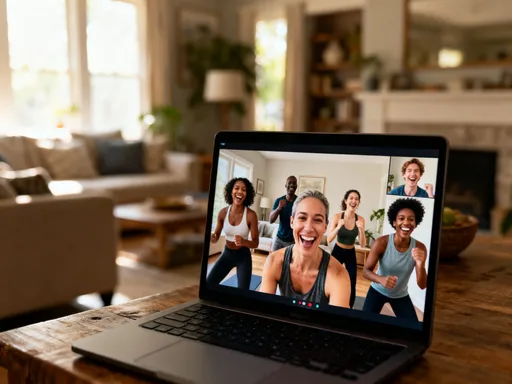
Take YouTube. It remembers what I’ve watched. It lets me save videos to playlists. It even shows me where I left off. I started seeing it differently—not as a place to kill time, but as a place to store my life. When I was pregnant with my second child, I created a playlist called ‘Gentle Strength’ with prenatal yoga videos that helped me stay mobile and calm. I didn’t have to search for them each time. They were right there, waiting for me. On days when I felt overwhelmed, just opening that playlist felt like a deep breath.
Then there was our family trip to the coast last summer. Instead of printing out guides or saving links in emails, I made a playlist called ‘Seaside Adventures’—videos on tide pooling, local history, kid-friendly hikes, even how to build a sturdy sandcastle. My kids would sit with me the night before each outing, watching the clips, getting excited, learning what to look for. It wasn’t just fun—it was preparation. And it brought us closer. We weren’t just going on a trip; we were exploring together, as a team.
Netflix surprised me too. I used to think of it as just for shows. But now I use it to create mood-based collections. ‘Rainy Day Movies’ for when we’re stuck inside. ‘Quiet Evenings’ for those rare moments when the house is calm and I want something gentle. These aren’t just playlists—they’re emotional anchors. They help me set the tone for our time together.
Creating Order: My Simple System for Video Organization
I’ll be honest—I didn’t want anything complicated. I didn’t want to spend hours labeling videos or learning new apps. My system had to be simple, flexible, and kind to my busy brain. So I started with three rules: name with feeling, save with purpose, and clean with care.
First, naming with feeling. Instead of calling a playlist ‘Workouts,’ I call it ‘Morning Spark’ or ‘Energy Boost.’ Why? Because it’s not just about exercise—it’s about how I want to feel. When I’m tired and dragging, seeing ‘Morning Spark’ on my screen feels inviting. It’s not a chore; it’s a choice. I do the same with cooking videos. ‘Happy Family Dinners’ instead of ‘Recipes.’ ‘Cozy Baking’ instead of ‘Desserts.’ The names connect to emotion, not just function. And that makes me more likely to use them.
Second, saving with purpose. Now, whenever I find a video I like, I ask myself: ‘Will I want to watch this again? Does it serve a need?’ If the answer is yes, I save it—immediately. I don’t wait. I create a playlist if one doesn’t exist, or add it to one that fits. I also use timestamps. If a video is long but has a useful five-minute segment—like how to braid hair or fold fitted sheets—I note the time in the playlist description. That way, I don’t have to sit through the whole thing.
Third, cleaning with care. I’ve learned that organizing isn’t a one-time job. Every few weeks, I spend ten minutes reviewing my playlists. I remove videos I no longer watch. I merge similar ones. I also use the ‘Not Interested’ button more often. This might sound small, but it’s powerful. It teaches the platform what I don’t want, so it stops showing me irrelevant clips. Over time, my recommendations got better—less noise, more value.
And here’s the best part: this system grew with me. When I started learning Spanish, I made a playlist called ‘Coffee & Conversations’—short, simple videos I could watch with my morning cup. When I wanted to teach my kids about kindness, I created ‘Big Hearts, Little Hands.’ The system didn’t control me; it adapted to me.
Family Harmony Through Shared Playlists
One of the most unexpected benefits of organizing videos was how it brought my family closer. I used to dread screen time—either the kids were fighting over what to watch, or I was nagging them to turn it off. But when I introduced shared playlists, something shifted.
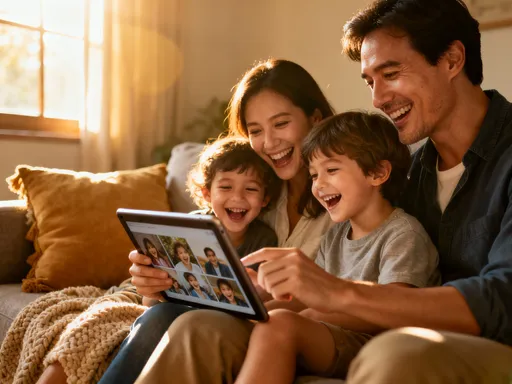
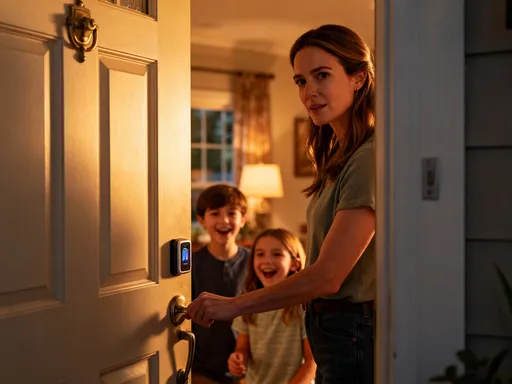
I created a playlist called ‘Weekend Magic’—a mix of animated films, nature documentaries, and musical performances we all enjoy. Every Friday night, we gather on the couch, and the kids take turns picking from the playlist. No arguments. No endless scrolling. Just anticipation and togetherness. It’s become our ritual—a small, predictable joy in a busy week.
I also made educational playlists. ‘Science Explorers’ has fun experiments and animal facts. ‘Story Time Favorites’ includes read-alouds from real teachers and librarians. The kids know these are special—they’re not just random cartoons. And because the videos are already chosen, I don’t feel guilty about screen time. I know they’re learning, laughing, and staying calm.
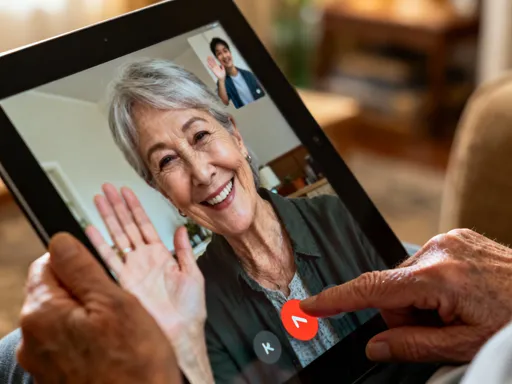
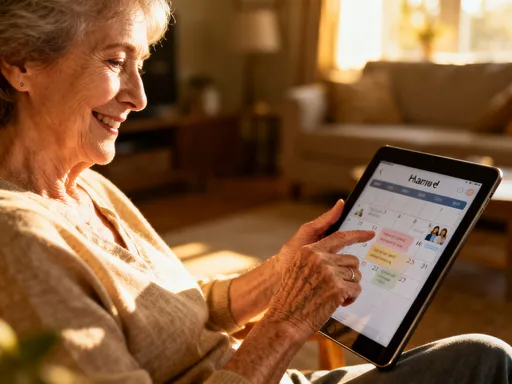
Even my parents got involved. My mom found an old playlist of 1960s folk songs I used to love as a child. She added a few of her own and sent me the link. Now, when we visit, we play it together. My kids dance to songs they’ve never heard, and my mom smiles like she’s back in her youth. It’s not just music—it’s connection. It’s memory. It’s love passed down through a simple playlist.
And here’s what I’ve learned: setting boundaries with technology doesn’t mean cutting it out. It means shaping it to serve your family. A shared playlist isn’t just a list of videos—it’s a container for values, routines, and togetherness.
Learning and Growing: Video as a Tool for Personal Development
Before I organized my videos, I thought of them as something I did when I had ‘extra’ time—time I never seemed to have. But once I built my system, I realized something powerful: learning doesn’t have to happen in big chunks. It can happen in five minutes here, ten minutes there. And video made it possible.
I started small. A five-minute stretching routine in the morning. A two-minute breathing exercise when I felt overwhelmed. I saved these in a playlist called ‘Calm & Clear.’ At first, I didn’t think it made a difference. But over time, I noticed I was less tense. I wasn’t snapping at the kids as much. I felt more present.
Then I got bolder. I wanted to get better at managing our household budget. So I created a playlist called ‘Money Smarts’—simple videos on saving, meal planning, and avoiding impulse buys. I’d watch one while waiting for the kettle to boil or during my lunch break. No pressure. No exams. Just gentle learning. And slowly, I started making better choices. I found a coupon hack that saved us $40 on groceries. I learned to batch-cook meals on Sundays, which cut our takeout spending in half.
But the biggest surprise was language learning. I’d always wanted to speak a little Spanish, but classes felt intimidating. So I started with short, fun videos—basic phrases, pronunciation guides, even Spanish nursery rhymes. I called the playlist ‘Hola, Me!’ and watched a clip every morning. It wasn’t about fluency. It was about growth. And when my son started repeating the words with me, it became our little game. Now, we say ‘buenos días’ every morning, and it feels like a tiny victory.
What I’ve learned is that personal growth doesn’t have to be loud or dramatic. It can be quiet. It can be a video playlist that grows with you, offering support when you need it, disappearing when you don’t. And the best part? The platform’s suggestion engine started helping. After watching a few budgeting videos, it recommended a clip on teaching kids about money. I saved it for when my daughter is older. It’s like having a quiet mentor, always one step ahead.
A Calmer, More Connected Life—One Playlist at a Time
Looking back, I can see how much has changed—not because I started watching more videos, but because I started valuing them differently. Each playlist is no longer just a collection of clips. It’s a reflection of who I am, who I want to be, and what I care about. ‘Calm Nights’ isn’t just for sleep—it’s a promise to myself to slow down. ‘Happy Family Dinners’ isn’t just recipes—it’s about connection around the table. ‘Weekend Magic’ isn’t just movies—it’s about making memories.
The chaos didn’t disappear overnight. There are still days when dinner burns or the kids argue over the remote. But now, I have tools. I have systems. I have a digital space that supports me instead of overwhelming me. And that makes all the difference.
What I’ve gained isn’t just time—it’s peace. It’s the feeling of being in control, of knowing where things are, of trusting myself to follow through. It’s the joy of sharing a song with my mom, of fixing a broken toy, of teaching my child a new word in another language. These aren’t small things. They’re the fabric of a meaningful life.
And the most beautiful part? This isn’t about being perfect. It’s about being intentional. You don’t need a fancy app or hours of free time. You just need to start—maybe with one playlist. Name it something that matters to you. Fill it with videos that serve you. Let it grow. Let it change. Let it become a quiet companion in your daily life.
Because technology, when used with care, doesn’t have to pull us apart. It can bring us closer—to our families, to our goals, to ourselves. And sometimes, all it takes is a little organization to turn scattered moments into something beautiful, one playlist at a time.