I Cut My Grocery Trips by 70% Using This Smart Cart Hack—Here’s How It Changed My Routine
Remember those endless weekend grocery runs that left you exhausted and over budget? I did—until a simple tech tweak transformed my shopping forever. It wasn’t about fancy apps or voice assistants; it started with how I managed my cart. What followed wasn’t just saved time—it was more energy, better meals, and even a new morning workout habit. This is how a smarter cart strategy quietly reshaped my days, health, and peace of mind.
The Chaos Before: When Grocery Shopping Drained My Week
Let’s be honest—grocery shopping used to be my weekend villain. Every Saturday morning, I’d walk into the store with a half-empty list scribbled on a napkin, already feeling behind. I’d wander the aisles, second-guessing what we needed, only to forget the one thing my daughter specifically asked for—again. The cart would fill up, not because I planned it, but because I saw things: a flashy snack pack, a limited-time dessert, a soda I didn’t even like but grabbed out of habit. By the time I checked out, I was stressed, over my budget, and carrying a bag of stuff we didn’t really need.
And the worst part? The mental load didn’t end at checkout. Unpacking took ages. Sorting through items, putting things away, realizing I’d bought two bottles of olive oil but forgot the garlic I needed for dinner—it all added up. That mental clutter spilled into the rest of my day. I’d promised myself I’d take a walk after shopping, maybe even try a short yoga video I’d saved. But by the time I put the groceries away and started dinner prep, I was too drained. My motivation for movement? Gone. My energy? Zapped. And my family? They got a tired, irritable version of me instead of a calm, present mom.
I didn’t realize how much this weekly cycle was affecting my fitness goals until I missed my third evening walk in a row. I kept telling myself I’d start fresh tomorrow, but tomorrow looked just like today. The truth was, grocery shopping wasn’t just a chore—it was a domino that knocked over everything else. It ate my time, my focus, and my willpower. I was stuck in a loop: shop late, eat whatever’s easy, skip exercise, feel sluggish, repeat. I knew I needed a change, but I didn’t think technology could be the answer. Not until I stopped seeing the cart as just a basket and started seeing it as a tool.
The Small Fix That Sparked Big Change: Redefining the Shopping Cart
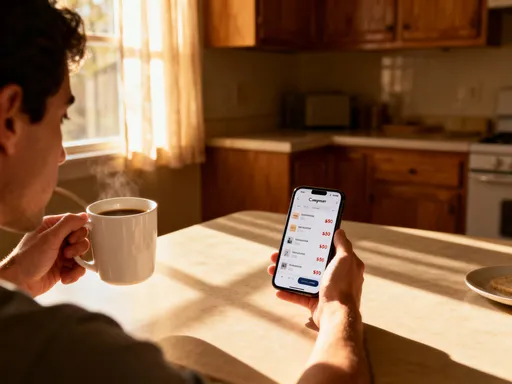
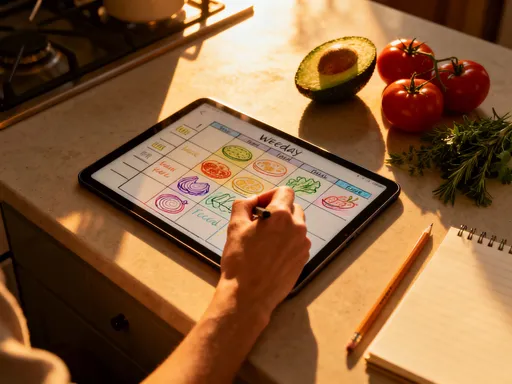
The shift didn’t come from a flashy gadget or a viral TikTok hack. It came from a simple question: What if I treated my shopping cart like a daily habit tracker? I wasn’t just buying food—I was making choices that shaped my week. Once I saw it that way, everything changed. I started using a simple list app on my phone, but not just to check off items. I used it to plan, reflect, and commit. Every time I added something to my digital cart, I asked myself: Does this support how I want to feel? Does it help me move more, eat better, and show up for my family with energy?
At first, it felt a little awkward—like I was overthinking groceries. But within a week, I noticed patterns. I was adding too many processed snacks, not enough fresh produce, and zero items that supported my fitness goals. So I made a rule: for every bag of chips, I had to add a vegetable or a protein. Not as punishment—but as balance. And slowly, my cart started to reflect the life I wanted, not just the habits I’d fallen into. I began scheduling my list updates for Sunday evenings, turning it into a quiet ritual. While my kids watched a movie, I’d sit with my phone, review what we’d eaten, and plan the next week’s meals. It felt calming, intentional, like I was finally taking the wheel.
Then came the real game-changer: I started using the app to track more than food. I added non-grocery items—like resistance bands, a yoga mat, or even a water bottle I’d been meaning to replace. When those showed up in my cart, I didn’t just buy them—I committed to using them. The cart became a mirror of my priorities. And because the list synced across my devices, I could update it from the kitchen, the gym, or even during a quiet moment at my desk. No more sticky notes, no more forgotten items. Just a clear, living plan that evolved with my life. What started as a shopping list became a lifestyle blueprint.
How Fewer Trips Freed Up Time—and Energy—for Exercise
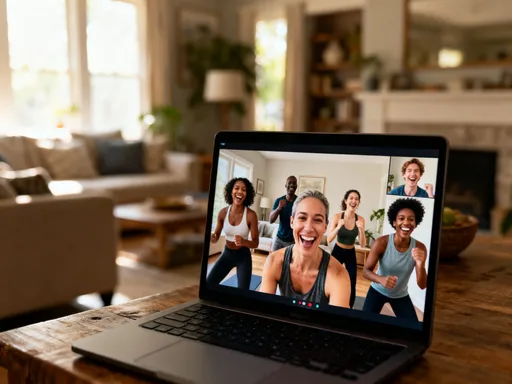
Within a month, I’d cut my grocery trips from three or four a week down to just one. That’s a 70% reduction—no exaggeration. And the time I saved? It wasn’t just hours; it was mental space. Instead of rushing to the store after work, dodging traffic and dealing with long lines, I had calm mornings. Mornings I could actually use. At first, I didn’t know what to do with that time. I’d sit with my coffee, surprised by the quiet. Then one day, I thought: I could stretch. Just five minutes. So I did. Then ten. Then I found a 15-minute YouTube video for beginner mobility exercises. I followed it in my living room, in my pajamas, while my dog watched like I’d lost my mind.
But here’s the thing—those small movements added up. Because I wasn’t drained from shopping chaos, I had the mental bandwidth to care for myself. I started waking up 20 minutes earlier, just to move. Some days it was stretching, some days a short walk around the block. No pressure, no perfection. Just showing up. And over time, those tiny wins built confidence. I began to believe I could stick to something. That belief spilled into other areas. I started meal prepping on Sundays, not because I had to, but because I wanted to. I felt more in control. More capable.
The link between fewer shopping trips and more movement wasn’t obvious at first, but it’s real. When your mind isn’t cluttered with forgotten errands and last-minute store runs, you have room to breathe. Room to think about your own needs. I stopped seeing exercise as a chore I had to squeeze in and started seeing it as a gift I got to give myself. And the best part? My kids noticed. They’d say, “Mom, you’re in a better mood.” Or, “You’re playing outside more.” That feedback loop—feeling better, moving more, being more present—became its own motivation. It wasn’t about looking a certain way. It was about feeling like myself again.
The Ripple Effect: Better Food Choices, Better Moods, Better Movement
When you plan your cart with intention, your plate changes. Mine did. Because I was adding more vegetables, lean proteins, and whole grains to my list, those were the foods showing up in our kitchen. I stopped buying single-serving desserts and started keeping fruit visible on the counter. I swapped sugary cereals for oatmeal and added nuts for crunch. These weren’t drastic changes—they were small shifts, but they made a big difference in how I felt day to day.
I used to crash around 3 p.m., every single day. I’d reach for a cookie or a soda, hoping for a boost, only to feel sluggish an hour later. But with more balanced meals, my energy stayed steady. I didn’t need that afternoon sugar fix. And when I felt more stable, I naturally wanted to move. I’d take the stairs instead of the elevator. I’d park farther away at the school pickup line. I’d dance with my daughter in the kitchen while dinner cooked. Movement stopped being something I had to force and started feeling like a natural part of my day.
My body responded, too. I had less joint stiffness, more stamina, and better sleep. I didn’t set out to lose weight or hit a fitness milestone, but those things happened as side effects of simply feeling better. I started enjoying physical activity instead of dreading it. And the emotional shift was just as powerful. I felt calmer, more centered, less reactive. I wasn’t snapping at my kids over small things. I had patience. I had presence. That, more than anything, made me realize how deeply connected food, movement, and mindset really are. It wasn’t one big change—it was a series of small, aligned choices that created a new rhythm in my life.
Tech That Feels Human: The Tools That Actually Helped (No Jargon, Just Real Use)
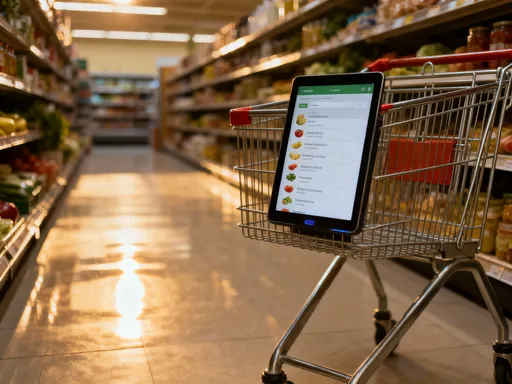
I’ll be honest—I tried a lot of apps. Some were too complicated, some wanted me to log every calorie, and others felt like they were judging my choices. But a few stood out because they felt helpful, not overwhelming. The one I still use every day is a voice-enabled list app. I don’t have to type—just say, “Add broccoli,” and it’s there. If I’m cooking and realize we’re out of garlic, I can add it without stopping what I’m doing. It syncs to my phone and my tablet, so I can check it from anywhere.
Another tool I love is a store layout saver. I picked a grocery chain I shop at most often and saved their aisle map in the app. Now, when I’m in the store, I can pull up my list and see exactly where each item is. No more wandering. No more forgetting. It cuts my shopping time in half. And because I’m not making decisions on the spot, I’m less tempted by impulse buys. The layout guide keeps me on track, like a gentle nudge toward my plan.
The third tool? A simple barcode scanner. I started using it to track what we actually used at home. If I scanned an item and didn’t use it within two weeks, I’d think twice before buying it again. It helped me stop buying things “just in case” and start buying what we truly needed. These tools didn’t replace my judgment—they supported it. They reduced decision fatigue, saved me time, and kept me aligned with my goals. And the best part? They didn’t feel like work. They felt like having a quiet helper by my side.
Building a System, Not a Shortcut: How I Stuck With It for Months
I didn’t get it right every week. Some Sundays, I forgot to update my list. Some trips, I caved and bought the cookies. Once, I even left my reusable bags in the car and had to use plastic. But here’s what made the difference: I didn’t quit. Instead, I reviewed my cart history every Monday morning. Not to scold myself, but to notice. Did I buy too many snacks? Did I forget protein? Were my meals balanced? The data wasn’t about perfection—it was about awareness. And from that awareness, I could make small adjustments.
For example, I noticed I always added chips when I shopped late in the evening. So I made a rule: no shopping after 7 p.m. I also realized I was more likely to buy junk food when I was hungry, so I started eating a snack before I went. These weren’t big overhauls—just tiny tweaks based on real patterns. Over time, the system became automatic. I didn’t have to rely on willpower. The routine carried me. And because it was flexible, it lasted. Life happens. Kids get sick. Work gets busy. But the system could bend without breaking. I could skip a week and jump back in. There was no shame, just progress.
And as the weeks turned into months, I noticed something unexpected: I was applying this same mindset to other areas. I started planning my workouts like I planned my meals. I set small, realistic goals instead of aiming for dramatic changes. I celebrated small wins. That shift—from striving to sustaining—was the real breakthrough. It wasn’t about being perfect. It was about being consistent. And consistency, I’ve learned, is where real change happens.
From Cart to Confidence: How Small Tech Wins Transformed My Daily Life
Looking back, I realize it was never just about groceries. It was about reclaiming my time, my energy, and my sense of control. Each time I added a vegetable to my list, skipped an impulse buy, or used my saved store map, it was a small win. And those small wins added up to something bigger: confidence. I started believing in my ability to make good choices, not just at the store, but in every part of my life.
I began to see technology not as something cold or complicated, but as a quiet ally. When used with intention, it can support the life you want to live. It can help you eat better, move more, and show up as your best self. I’m not saying I have it all figured out. There are still messy days, forgotten lists, and moments of doubt. But now I have a system that helps me get back on track—without guilt, without pressure.
The most meaningful change? I feel like I’m in the driver’s seat again. I’m not reacting to chaos. I’m planning, choosing, and growing. My grocery cart didn’t just hold food—it held the seeds of a calmer, healthier, more intentional life. And if a simple list app and a little mindfulness can do that, imagine what else is possible when we use technology not to complicate our lives, but to simplify them. You don’t need a big overhaul. You just need one small, smart change—and the courage to keep going.