I Thought I Was Saving by Subscribing: This Tool Showed Me Where I Was Actually Bleeding Money
We’ve all been there—signing up for a free trial, forgetting to cancel, and months later realizing we’re still paying. You’re not careless; you’re just human. I felt the same, until a simple app helped me see exactly where my money was going. It wasn’t about cutting out joy—it was about clarity, control, and keeping more of what I earned. This is how I took back my time and budget, one personalized alert at a time. I didn’t need to stop enjoying life; I just needed to see what I was actually doing with my money. And once I did, everything changed.
The Silent Drain: How Subscriptions Slowly Take Over Your Life
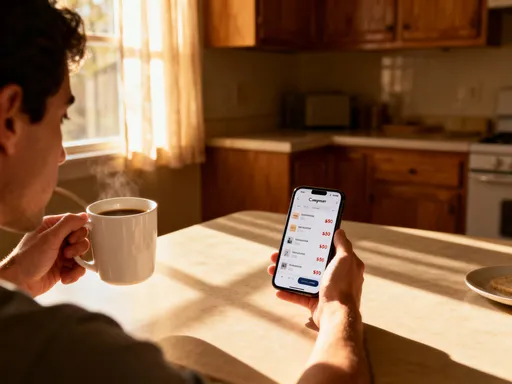
Picture this: you’re sitting at the kitchen table, coffee in hand, scrolling through your monthly bank statement. Everything looks normal—groceries, gas, the electric bill—until you see it. A $12.99 charge from a streaming service you haven’t opened in months. Then another—$9.99 for a meditation app you downloaded during a stressful week last spring. And wait, wasn’t that the same fitness platform you signed up for last year? You thought you canceled it. But there it is, quietly taking money every month. It’s not one big expense. It’s not a crisis. But when you add them up, it’s the equivalent of a weekly grocery run—gone, just like that.
This is how subscriptions sneak into our lives. They start with a promise: free for a month, no commitment, cancel anytime. And we believe it. We sign up because we want to try something new—maybe a better workout routine, a way to relax, or just a fun show to watch while folding laundry. The first month flies by, and life gets busy. You forget to cancel. The trial ends. The charge begins. And because it’s automatic, because it’s small, because it blends into the background of your spending, you don’t notice. Not right away. But over time, these little charges add up. They become invisible habits, quietly draining your account while you’re focused on the bigger things—raising kids, managing a home, keeping up with work.
And it’s not just about money. It’s about how it makes you feel. Have you ever looked at that list of subscriptions and felt a little knot in your stomach? That’s not guilt. That’s frustration. It’s the feeling of being out of control, of not knowing where your hard-earned money is going. You work hard. You budget carefully. You clip coupons and compare prices. But somehow, you’re still losing money to things you don’t even use. The worst part? You’re not alone. Studies show that the average household spends hundreds of dollars a year on subscriptions they’ve forgotten about or rarely use. It’s not a personal failure. It’s a system designed to make forgetting easy.
But here’s the good news: awareness is the first step. Once you see the pattern, you can break it. And you don’t have to do it alone. Technology—yes, the same kind that made it so easy to sign up in the first place—can also help you take back control. It’s not about living with less. It’s about living with more intention. More clarity. More peace of mind. And it starts with simply noticing what’s happening.
Why "Just Cancel" Isn’t Enough
You might be thinking, "Okay, so I’ll just cancel the ones I don’t use. Easy fix." And in theory, it sounds simple. But in practice, it’s not that easy. I tried it myself. I sat down one Sunday afternoon with a list of every subscription I could remember and set out to clean house. I canceled one streaming service—no problem. Then I moved to another, and the website asked for a password I hadn’t used in over a year. I reset it, waited for the email, answered a security question about my first pet (which I got wrong the first time), and finally got in—only to find a pop-up that said, "We’re sorry to see you go! Here’s 20% off for the next three months." I paused. Was I really saving money by canceling? Or was I missing out on a deal? I closed the tab. I’d come back to it later.
And that’s the thing—life happens. You get a call from the school, the dog needs a walk, dinner needs to be made. That "later" never comes. Even when you’re motivated, the process is designed to be just inconvenient enough to make you give up. Companies know that most people won’t jump through hoops to cancel. They count on decision fatigue—the mental exhaustion that comes from making too many small choices in a day. By the time you’ve helped with homework, responded to work emails, and figured out what’s for dinner, the last thing you want to do is navigate a confusing website to cancel a $10 app.
Then there’s the issue of shared accounts. Maybe you and your sister split the cost of a music streaming service. Or your partner handles the family phone plan. You’re not the one managing it, but you’re still paying your share. If they don’t cancel, you’re both stuck. And what about price increases? You signed up for a service at $7.99 a month, but last quarter, it quietly went up to $9.99. Did anyone email you? Did you get a notification? Probably not. Auto-renewals don’t come with warnings. They just happen. And because the change is small, you might not notice—until you’ve paid $24 more over the year without realizing it.
Even if you’re tech-savvy, even if you’re organized, it’s hard to keep track of everything. Apps change their names. Services merge. Free trials pop up in email promotions you didn’t even remember signing up for. And if you use multiple payment methods—credit card, debit card, PayPal—it’s even harder to see the full picture. The truth is, "just cancel" isn’t a solution. It’s a to-do list item that keeps getting pushed aside. What we need isn’t more willpower. We need a system that works with us, not against us—one that understands how real life works.
Meet the Tool That Knows You Better Than You Know Yourself
About a year ago, a friend mentioned she was using a subscription management app. I rolled my eyes at first—another tech thing, another thing to learn. But she said something that stuck with me: "It’s like having a money buddy who actually remembers what you signed up for." Curious, I decided to try it. I downloaded a popular, secure app that connects to your bank accounts (with bank-level encryption, so your data stays safe). I linked my checking account and credit card. And within minutes, it pulled in every recurring charge I’d ever made—over 20 subscriptions, many of which I didn’t even recognize.
But here’s what surprised me: it didn’t just list them. It organized them. It grouped them by category—entertainment, fitness, shopping, utilities. It showed how much I’d paid over the past year. And it flagged the ones I hadn’t used in months. One app said, "You opened this twice in the last 90 days." Another noted, "Your plan costs $5 more than the basic tier with the same features." This wasn’t a spreadsheet. It wasn’t a guilt trip. It was insight. It was clarity. For the first time, I could see my spending not as random charges, but as patterns.
And the best part? It learned. The more I used it, the smarter it got. When I canceled a service, it remembered. When I marked something as "essential," like my grocery delivery subscription, it stopped suggesting I cut it. It didn’t treat me like a number. It treated me like a person with habits, preferences, and goals. One day, it sent me a message: "You usually use your meditation app on weekday mornings. Lately, you haven’t opened it. Want to pause or cancel?" It wasn’t pushy. It wasn’t robotic. It felt like a thoughtful friend checking in.
That’s the power of personalization. These tools aren’t just tracking your money—they’re understanding your life. They know when you travel, so they adjust billing alerts to your time zone. They know when you’re saving for a vacation, so they show how cutting one subscription gets you closer to your goal. They don’t just say, "You’re spending too much." They say, "Here’s how you can spend better." And that makes all the difference. Because it’s not about restriction. It’s about alignment—making sure your spending matches your values, your time, and your priorities.
How Personalization Turns Chaos into Calm
Before I started using this tool, my relationship with money felt chaotic. I was always reacting—paying bills, covering unexpected costs, wondering where the month went. Now, it feels different. I feel more in control. And that shift didn’t come from cutting everything out. It came from seeing what mattered and what didn’t. The app doesn’t make decisions for me. It gives me the information I need to make them myself. And because it’s tailored to my life, the suggestions feel relevant, not random.
Take travel, for example. I take a few trips a year to visit family. Before, I’d forget to pause my gym membership or my meal kit delivery while I was away. I’d come home to find I’d been charged for weeks I didn’t use. Now, the app knows my travel schedule. When I book a flight, it sends a reminder: "You’ll be gone for 10 days. Want to pause any subscriptions?" It even suggests which ones I usually use at home but not on the road. I can pause them with one click. No hunting through emails. No digging for passwords. Just a simple, timely nudge that fits my life.
Or think about goals. Last spring, I started saving for a new kitchen table—something small, but meaningful. The app let me set that as a financial goal. Then, every time I canceled a subscription, it showed me how much closer I’d gotten. "You saved $12 this month. That’s 8% of your table fund!" It turned a dry budgeting task into a small celebration. It made saving feel possible, even satisfying. And because the feedback was personal, I stayed motivated.
Even the way it communicates feels different. Instead of spammy alerts or aggressive warnings, it uses gentle, conversational messages. "Hey, just checking—do you still use this service?" or "We noticed you haven’t opened this app in a while." It’s not shaming. It’s supportive. It’s the kind of reminder you’d give a friend. And because it adapts to your behavior, it doesn’t keep bothering you about things you’ve already decided. If you keep a subscription, it stops suggesting you cancel it. If you skip a workout app for a week, it doesn’t panic. It waits. It watches. It learns.
This isn’t just about saving money. It’s about reducing stress. When your finances feel messy, it’s hard to feel calm. But when you have a clear picture—when you know what’s happening and why—it’s easier to breathe. You stop worrying about hidden charges. You stop feeling guilty about forgetting. You start feeling capable. And that sense of calm spreads. It touches your relationships. It affects your mood. It gives you space to focus on what really matters—your family, your health, your peace.
Setting It Up Without the Stress
If you’re thinking about trying a subscription management tool, I get it—starting something new can feel overwhelming. You might worry about security. You might think it’s too technical. I felt the same way. But here’s the truth: it’s easier than you think. Most of these apps are designed for people like us—busy, caring, not tech experts. You don’t need to be a coder or a finance pro. You just need a few minutes and a willingness to take a look.
Here’s how I did it. First, I picked a well-reviewed app with strong privacy policies—look for things like bank-level encryption and no data sharing. I downloaded it on my phone. Then, I connected my bank account and credit card. It only took a few taps. The app didn’t take control of my money. It didn’t make any changes. It just read the transactions—like how your online banking shows your history. Within seconds, it listed every recurring charge. Some I recognized. Some I didn’t. I went through them one by one, marking which ones I wanted to keep, which ones I wanted to cancel, and which ones I was unsure about.
Then came the fun part: setting up my preferences. I told the app my goals—like saving for home repairs and reducing unnecessary spending. I set rules: "Alert me if any subscription increases by more than 10%." "Let me know if I’m paying for two services that do the same thing." I even added notes—like "Shared with my sister" or "Use only in winter." The app remembered everything. And because I was in charge, I never felt like I was losing control.
The first week, I got a few suggestions. I canceled two services I hadn’t used in months. I downgraded a plan that was more than I needed. I saved $38 without changing my lifestyle. And the best part? I didn’t have to stress about it. The app guided me, but I made the final call. That’s the key—this isn’t about letting technology run your life. It’s about using it to support your decisions. It’s about having a tool that helps you stay on track, even when life gets busy.
The Ripple Effect: More Than Just Money Saved
When I first started, I thought this was just about saving money. And yes, I’ve saved over $400 in the past year—enough for a weekend getaway or a new set of cookware. But what I didn’t expect was how much it would affect the rest of my life. I feel less anxious. I sleep better. I don’t dread checking my bank account. And when my daughter asks, "Can we get ice cream after dinner?" I can say yes without wondering if I can afford it. That freedom—that peace—is priceless.
There’s also a sense of pride that comes with it. Every time I cancel a subscription I don’t need, it feels like a small win. It reminds me that I’m paying attention. That I’m making choices. That I’m in charge. And those small wins add up. They build confidence. They make it easier to make other good decisions—like cooking at home more often or planning a family game night instead of ordering takeout. It’s not about being perfect. It’s about being intentional.
And when it comes to family, it’s made a difference too. My partner and I used to argue about money—mostly because we didn’t have a clear picture of what we were spending. Now, we use the app together. We review our subscriptions once a month, over coffee on a Saturday morning. It’s become a ritual—a chance to connect, plan, and feel like a team. We’ve even involved our teenage daughter, showing her how recurring charges work. It’s become a quiet way to teach financial responsibility, not through lectures, but through real-life examples.
This isn’t just about tracking expenses. It’s about building trust—with yourself and with the people you love. It’s about knowing that your money is working for you, not against you. And that changes everything. You start to see your finances not as a source of stress, but as a tool for creating the life you want. You feel more capable. More grounded. More at peace.
Making It Stick: Building a Smarter Financial Habit
The real magic isn’t in the one-time cleanup. It’s in the habit. The first few months, I checked the app weekly. Now, I do a quick review once a month. It takes less than ten minutes. I look at new charges, check for price changes, and see if any suggestions make sense. Sometimes I cancel something. Sometimes I keep it. The point isn’t to eliminate every subscription. It’s to make sure each one earns its place in my budget.
And I’ve learned to celebrate progress, not perfection. Some months, I forget to pause a service. Some months, I sign up for a new trial and don’t cancel in time. That’s okay. The app catches it. It reminds me. And I try again. This isn’t about being flawless. It’s about being consistent. It’s about creating a system that helps me stay on track, even when life gets messy.
Over time, this small habit has changed the way I think about money. I’m more mindful. I’m more intentional. I ask myself, "Do I really want this?" before signing up for anything new. And when I do, I set a calendar reminder to review it in 30 days. That simple step has saved me so much.
Technology doesn’t have to complicate our lives. When it’s designed with empathy, when it understands how we really live, it can simplify things. It can give us back time, money, and peace of mind. It can help us focus on what matters—our families, our dreams, our well-being. So if you’re feeling overwhelmed by subscriptions, know this: you’re not alone. And you don’t have to figure it all out by yourself. There’s a tool that can help. Not to control you, but to support you. To remind you, gently and kindly, that you’re in charge. And that makes all the difference.